
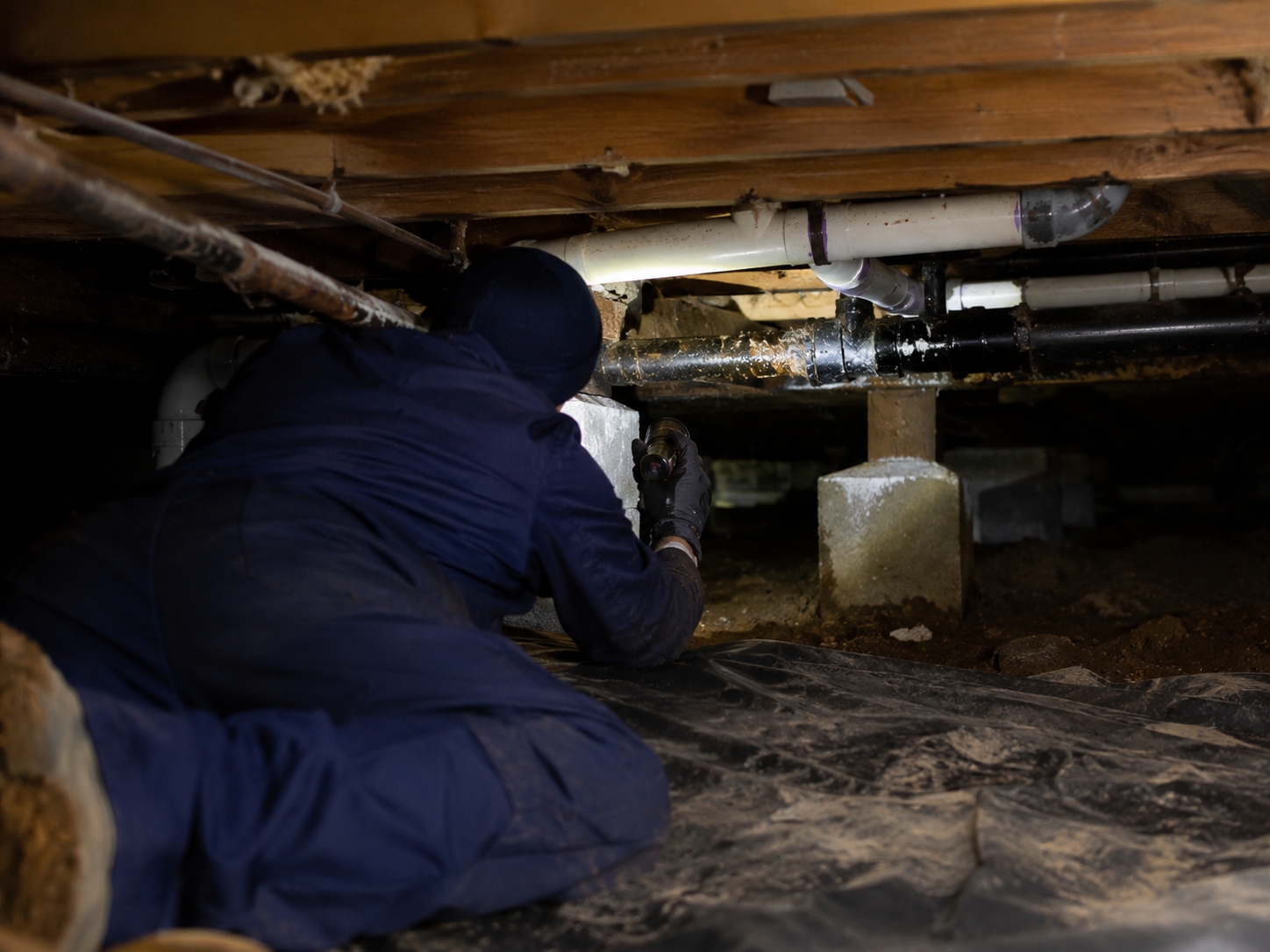
The home inspection has become one of the most important phases of a real estate transaction in the current market. The brief period during 2021 and 2022 when buyers routinely waived inspections is over. Today's buyers inspect, and they negotiate based on what they find. How sellers prepare for and respond to inspections often determines whether a deal closes on the original terms or unravels under pressure.
A standard home inspection in Washington takes three to four hours and covers the structure, roof, electrical system, plumbing, heating and cooling, insulation, windows, doors, appliances, and visible exterior elements. The inspector documents findings in a detailed report that the buyer receives within 24 to 48 hours. The buyer then has a defined inspection period, typically 7 to 10 days, to request repairs, credits, or to terminate the contract.
Sellers can take significant control of this process through pre listing inspections. Hiring an inspector before the home goes to market identifies what a buyer's inspector will find, lets the seller decide which items to repair, which to disclose with a price adjustment, and which to leave for negotiation. The pre listing inspection costs the seller around 500 dollars and often saves thousands in surprise inspection requests.
Specialty inspections matter more than they used to. Sewer scopes have become common in older homes, particularly in Bothell and other established neighborhoods where mature trees may have intruded into clay sewer lines. Pest and structural inspections, mold testing in homes with any moisture history, and chimney inspections in homes with fireplaces are increasingly standard. Sellers who provide recent reports from these specialty inspections proactively often face fewer requests during the transaction.
The single most important inspection preparation is honesty. Issues the seller knows about must be disclosed on Form 17 regardless of whether the buyer's inspector finds them. Trying to conceal known issues creates legal exposure that extends well beyond closing. Sellers who disclose openly and address known issues either through repair or price adjustment build trust that often translates to smoother transactions overall.
Common inspection findings that sellers can address inexpensively before listing include broken or missing GFCI outlets in bathrooms and kitchens, missing smoke or carbon monoxide detectors, leaking faucets and toilets, broken window seals, missing drip pans under water heaters, and improperly vented dryers. None of these are expensive fixes individually, but they show up on inspection reports and add up to negotiation leverage when they accumulate.
More expensive findings require different decisions. Roof condition, furnace age, water heater age, electrical panel adequacy, and plumbing material all carry replacement costs that can run from a few thousand to over 20 thousand dollars. Sellers can choose to replace these before listing, disclose them and price accordingly, or wait for buyer requests. Each path has tradeoffs, and the right choice depends on the home's price tier and current condition.
Inspection negotiation is rarely about the cost of the repair itself. It is about leverage and buyer confidence. A small inspection finding can become a major negotiation if the buyer is already feeling uncertain. A large finding can be resolved smoothly if the buyer feels the seller has been transparent and reasonable throughout. The relationship matters as much as the specific items.
Sellers who go into the inspection phase with realistic expectations, full disclosure, and a willingness to negotiate in good faith typically close on terms close to what they expected. Sellers who treat the inspection as an adversarial event often find that small issues become large problems.
Request Your Home Value Analysis & Selling Strategy → What’s My Home Worth
Gevin Frey — Realtor®
Frey&Co. Homes
Serving Bothell, Mill Creek, Kenmore, and surrounding communities