


First time sellers face a different challenge than first time buyers. There is no inspection contingency to protect them, no agent on the other side specifically representing their interests, and many of the most expensive mistakes happen quietly during preparation rather than dramatically during negotiation. Knowing what first time sellers commonly miss can save real money and stress.
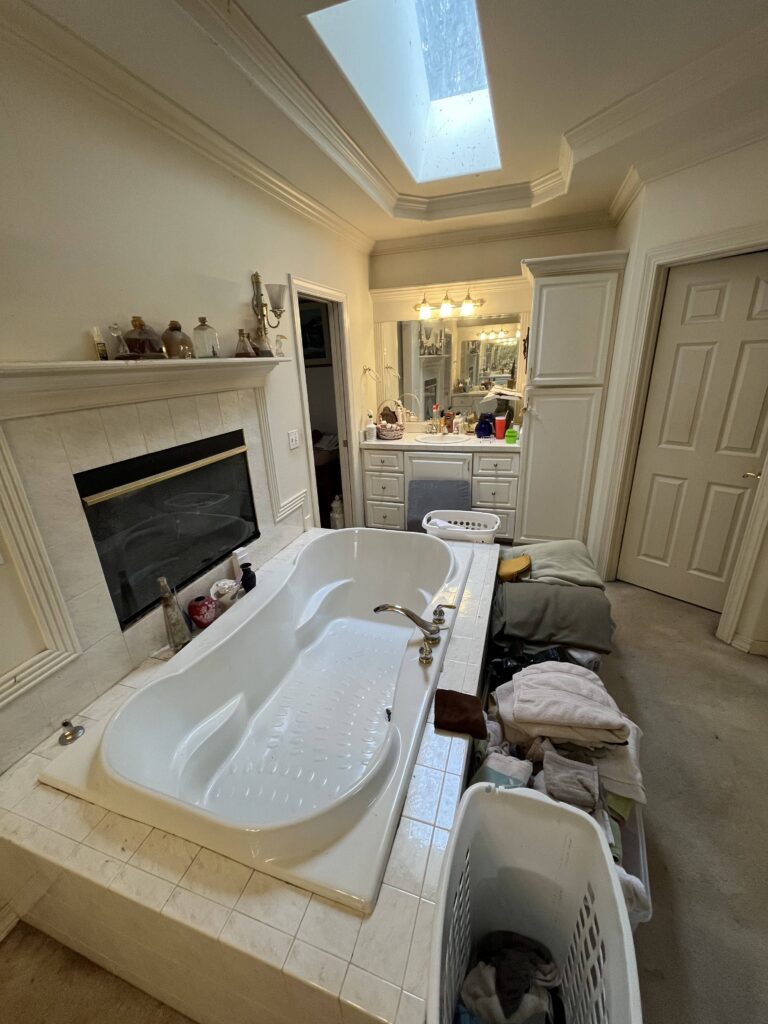
The first overlooked item is how much preparation actually takes. Most first time sellers underestimate the time required for repairs, cleaning, decluttering, paint, photography, and decision making before listing. What feels like a two week project often takes six to eight weeks when done well. Starting too late forces a choice between rushing the launch and delaying the move.
Second is the cost structure of selling. Beyond the agent commission, sellers pay for excise tax, title insurance, recording fees, escrow fees, and often closing costs for the buyer's side as part of negotiation. In Washington, excise tax alone can run 1.28 to 3 percent of the sale price depending on bracket. Sellers planning their next move based on the list price minus the agent fee often end up with significantly less cash than they expected.
Third is the impact of staging and photography on final sale price. First time sellers often see these as nice to have rather than essential. The data is clear that they affect outcomes meaningfully. Professional photography typically produces more showings. Professional staging in higher price tiers often returns multiples of its cost. Treating these as optional usually costs more than skipping them saves.
Fourth is how disclosure obligations work in Washington. Form 17 requires honest disclosure of known material defects. First time sellers sometimes feel that mentioning past issues will scare buyers, so they minimize or omit information. This creates legal exposure long after closing and often unwinds deals during transaction. The right approach is full, honest disclosure with documentation of how issues were resolved when applicable.
Fifth is the negotiation process itself. First time sellers often expect the list price to be the sale price, or the first offer to be the final terms. Real estate transactions typically involve multiple rounds of negotiation, particularly during inspection and appraisal phases. Understanding that the listing is the start of a process, not the end, prevents emotional reactions that can damage the deal.
Sixth is the timing of the next purchase. First time sellers often plan to buy their next home contingent on this sale, or to use proceeds for the down payment. Coordinating these transactions requires careful planning. Bridge loans, rent backs, contingent purchase offers, and other tools exist to manage the gap, but they have to be planned before listing, not figured out in the middle of escrow.
Seventh is the emotional difficulty of selling a home you have lived in. Buyers will critique your home in feedback, write low offers, request repairs you may feel are unreasonable, and generally treat the home as a transaction rather than the place where your family has lived. First time sellers often take this personally. Recognizing that this is normal helps prevent reactive decisions that hurt the sale.
The best preparation for first time sellers is conversation with an experienced agent well before the listing date. Many of these overlooked items are easier to plan for than to react to, and the agent's role is partly to anticipate what the seller will face and prepare them in advance.
Request Your Home Value Analysis & Selling Strategy → What’s My Home Worth
Gevin Frey — Realtor®
Frey&Co. Homes
Serving Bothell, Mill Creek, Kenmore, and surrounding communities


